
From HACCP to Halal: Smobler bets on vertical AI to take food compliance across borders
Smobler heads to LEAP 2026 in Riyadh, seeking partners as it explores extending Robin AI’s food-compliance workflows toward Halal certification across ASEAN and MENA.
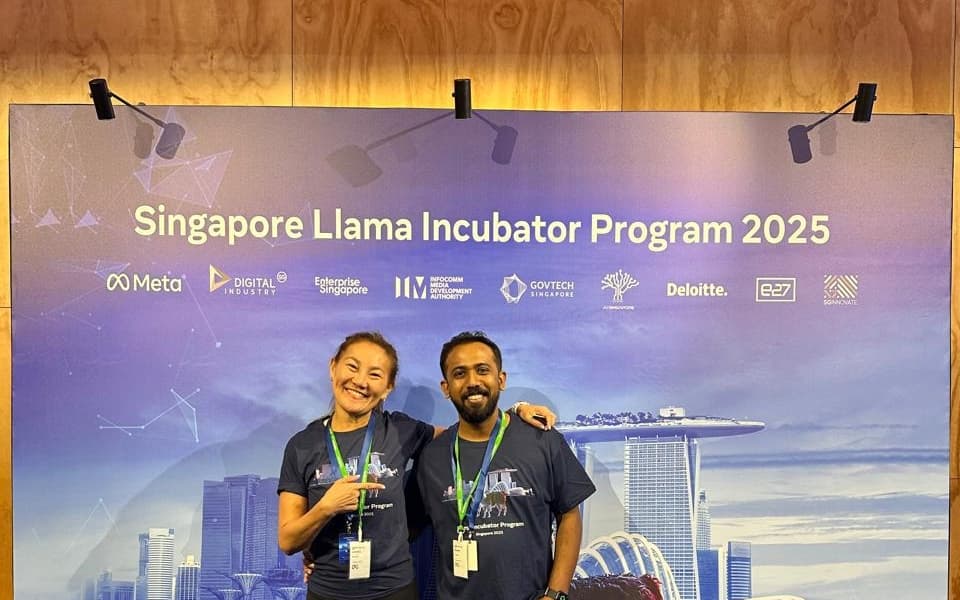
Singapore-founded technology company Smobler is preparing to extend the capabilities of an AI platform originally developed to help Hawaiʻi food entrepreneurs navigate U.S. food-safety requirements toward Halal compliance workflows across Southeast Asia and the Middle East, as the company begins seeking partners in Saudi Arabia and the wider Gulf.
Smobler’s co-founder and chief technology officer, Mridhul Pax, is in Riyadh for LEAP 2026 from 31 August to 3 September, where he will meet potential partners across food technology, enterprise AI and digital trade.
The move reflects a broader bet by Smobler: as access to increasingly capable AI models becomes ubiquitous, more value will shift toward specialised applications built around expensive, persistent and industry-specific problems.
“The next competitive advantage will not come from having access to AI. It will come from knowing how to apply it.”
Smobler launched Robin AI in Hawaiʻi in June 2026 to address a problem familiar to small food producers — turning a recipe into a market-ready product requires navigating complex regulatory and food-safety requirements. Developed with the Wahiawā Value-Added Product Development Center and Leeward Community College, Robin helps early-stage food and beverage entrepreneurs generate draft nutrition labels and Hazard Analysis and Critical Control Point (HACCP) food-safety plans. Rather than replacing food-safety specialists or regulatory authorities, the platform is designed to help entrepreneurs navigate some of the documentation and technical complexity involved in preparing products for market.
The company now sees an opportunity to apply the same principle to other regulatory environments. Its product roadmap includes exploring AI-assisted workflows around Halal compliance across ASEAN and the Middle East and North Africa — regions linked by significant flows of food, trade and Muslim consumer demand. Any such system would be designed to support, rather than replace, recognised Halal certification authorities, qualified auditors and human decision-makers.
“The interesting question is no longer how impressive a model can be,” said Dr. Loretta Chen, Smobler’s founder and CEO. “It is what we can make possible with it. Can we help a small producer navigate compliance more efficiently? Can we reduce some of the friction between creating a product and reaching a market? Can we make cross-border trade easier to navigate while preserving the human judgement and regulatory authority that matter? The most interesting technologies scale globally because the underlying problem is widespread and travels.”
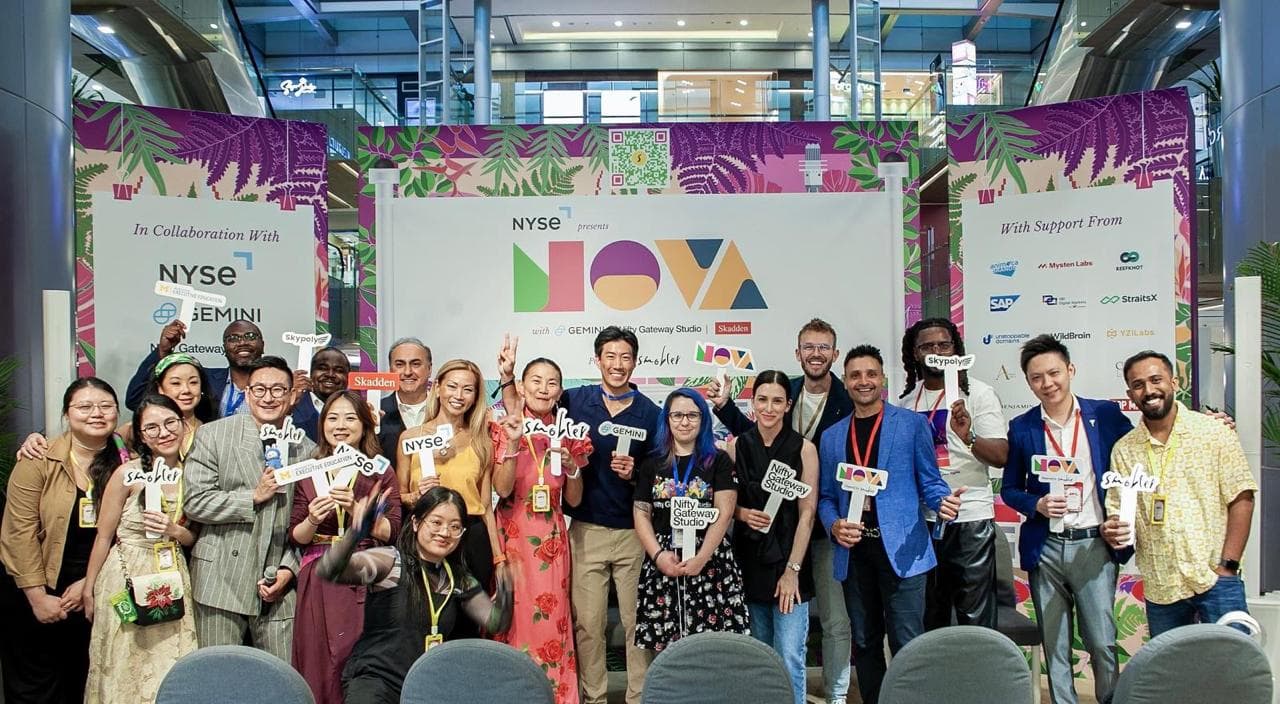
Food compliance is one example of a larger shift underway at Smobler. The company, which previously built across immersive technology, gaming and blockchain, is concentrating increasingly on vertical AI and digital infrastructure designed around specific industry workflows, with current work spanning food systems, enterprise workflow automation, AI cost intelligence and digital trade. Alongside Robin, Smobler is developing Forage AI, focused on business-to-business food trade through AI-enabled workflows, verified networks and embedded financial infrastructure, and is working on digital maritime infrastructure — blockchain-enabled approaches to bunkering, documentation and transactions in an industry where verification and settlement can remain fragmented and manual.
These areas give Smobler a particular reason to look toward the Gulf. Saudi Arabia is investing heavily in artificial intelligence and digital infrastructure while simultaneously expanding its logistics and trade capabilities. For Smobler, that intersection creates an opportunity for specialised technology built around real operational constraints rather than general-purpose AI.
For Pax, the engineering challenge begins where the demonstration ends. “Everyone can build an AI demo now,” he said. “The difficult part starts afterwards. Can the system be trusted? Is it economical to operate? Does it integrate into the way an industry actually works? Can you deploy it at scale without creating three new problems for every one you solve? That last mile between an impressive prototype and reliable infrastructure is where we spend much of our time.”
Pax said Smobler will use LEAP to identify potential regional partners around defined business problems rather than pursue AI deployments for their own sake. “We always start with the constraint and engineer backwards,” he said. “At LEAP, I want to meet organisations thinking seriously about AI in production, particularly across food, enterprise operations and trade. If there is a genuine problem we are equipped to solve, that is where the conversation becomes interesting.”
Smobler’s interest in Saudi Arabia forms part of a larger opportunity the company sees emerging between Southeast Asia and the Gulf. Singapore sits at the intersection of technology, finance, maritime trade and Southeast Asian commerce; Saudi Arabia is investing in technology and infrastructure as it builds new industries and strengthens its position across international trade and logistics. Smobler believes some of the most interesting opportunities will come from adapting technologies and operating knowledge between these markets rather than simply exporting software from one to the other.
Food illustrates the potential. A producer in Hawaiʻi, Singapore or Riyadh operates within a different regulatory environment, but often encounters variations of the same problems: documentation, compliance, specialist knowledge, market access, cost and cross-border complexity. Halal requirements add another layer when producers seek access to Muslim consumer markets. Smobler believes AI could eventually help businesses navigate portions of that complexity while keeping recognised certification bodies and qualified human experts firmly within the process.
“For us, the Middle East opportunity isn’t interesting simply because AI investment is booming,” Chen said. “It is interesting because there are real problems at the intersection of food, trade, logistics and technology where our experience across Asia-Pacific may be useful and where we have a great deal to learn from regional partners.”
Smobler’s shift toward applied AI follows several years building at successive technology frontiers. Founded in Singapore, the company has worked across immersive environments, gaming, blockchain, artificial intelligence and digital infrastructure, including projects for international brands and institutions, and has participated in technology ecosystems including the Meta Llama APAC Incubator, the inaugural INSEAD AI Venture Lab and NVIDIA Inception. Chen said the growing emphasis on applied AI does not represent a rejection of those earlier technologies, but a more demanding test of what the company builds: “Being early to technology is exciting. Being useful is harder. We want Smobler to be known for building and shipping products that are useful and make our lives easier.”
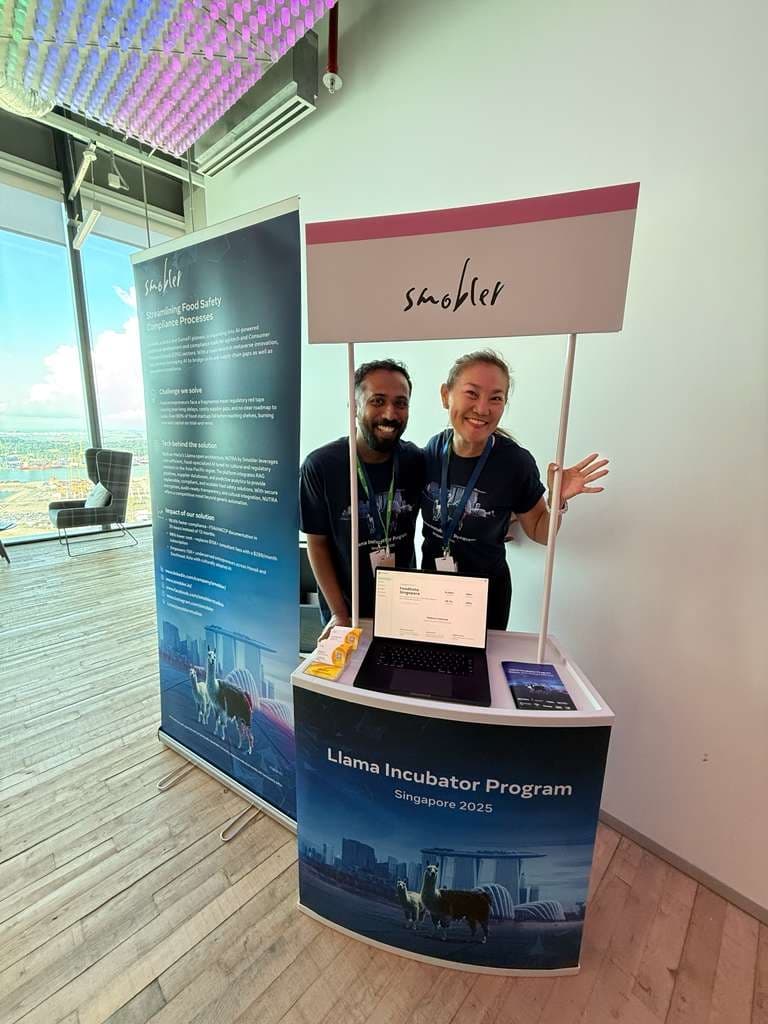
Pax will be in Riyadh throughout LEAP 2026, from 31 August to 3 September. Smobler is seeking potential pilot, technology and commercial partners across food technology and trade, AI infrastructure and enterprise automation, logistics and maritime technology, as well as investment and innovation ecosystems. Organisations interested in meeting Pax in Riyadh or discussing a potential pilot or regional collaboration can contact hello@smobler.io.
Read the full story on Yahoo Finance
This dispatch is a condensed overview. Explore the complete publication at finance.yahoo.com.
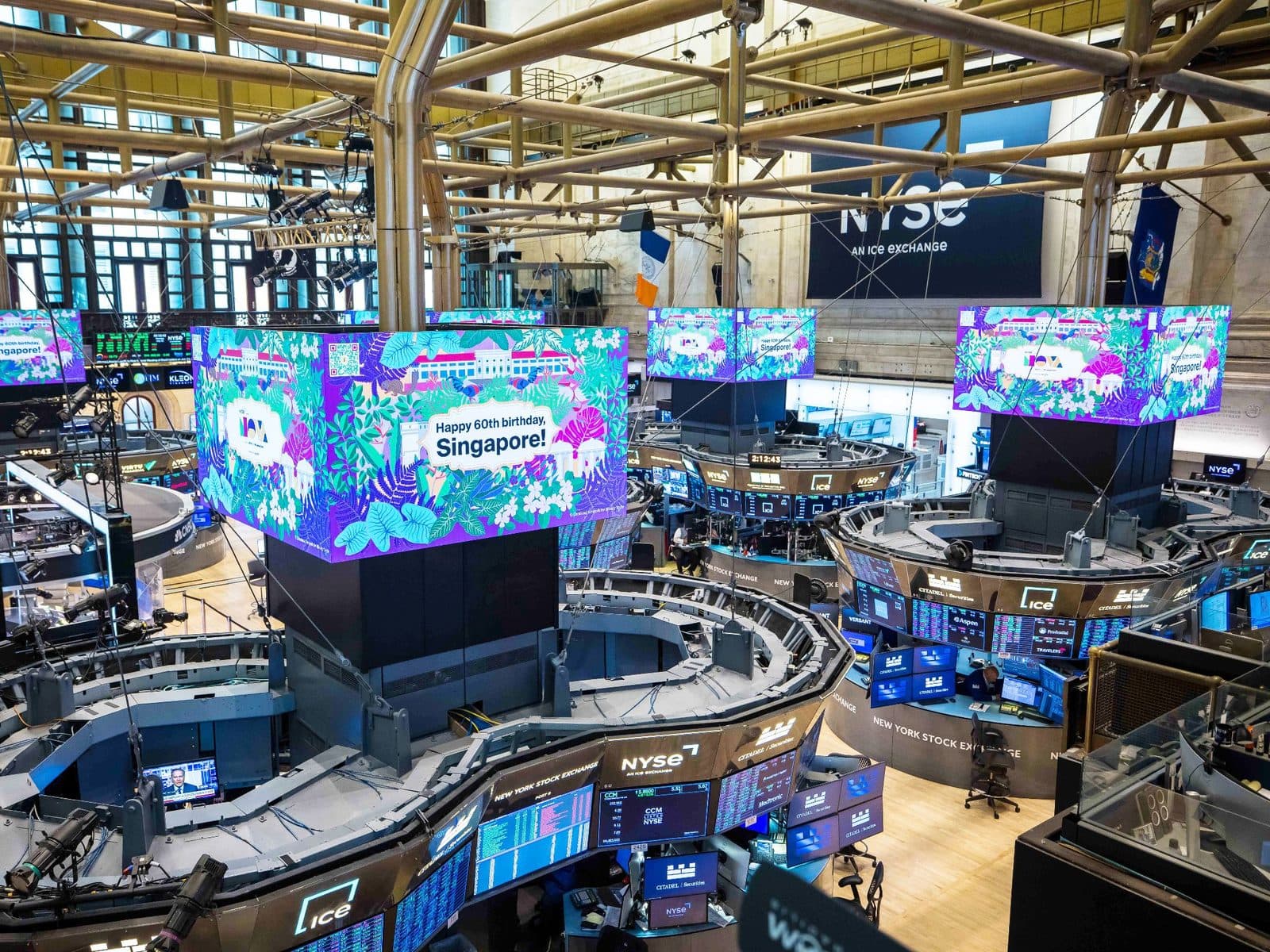
Smobler joins forces with NYSE to celebrate Singapore’s 60th birthday
The New York Stock Exchange and Smobler mark SG60, setting up the NOVA edition that followed in October.
2 min read
Unstoppable Domains and Smobler announce .SuperNOVA: a new digital identity for a global festival of collaboration
A dedicated top-level domain for the NOVA community, giving festival participants a portable digital identity across the Smobler ecosystem.
2 min read
Smobler’s NOVA bridges Wall Street, frontier tech and Singapore’s innovation ecosystem
On 2 October, NOVA returned to Singapore for the nation’s 60th anniversary — presented by the New York Stock Exchange with Gemini, Nifty Gateway Studio, Skadden, Michigan Ross Executive Education and Skypoly.
2 min read